
Seatrec Wins Exclusive License from Sea-Bird Scientific to Manufacture Floats for Argo to Monitor the Global Ocean
Seatrec Wins Exclusive License from Sea-Bird Scientific to Manufacture Floats for Argo - An International Program to Monitor the Global Ocean
Seatrec selected in competitive RFP for its revolutionary advancement in ocean monitoring capabilities with its sustainable and renewable energy harvesting system
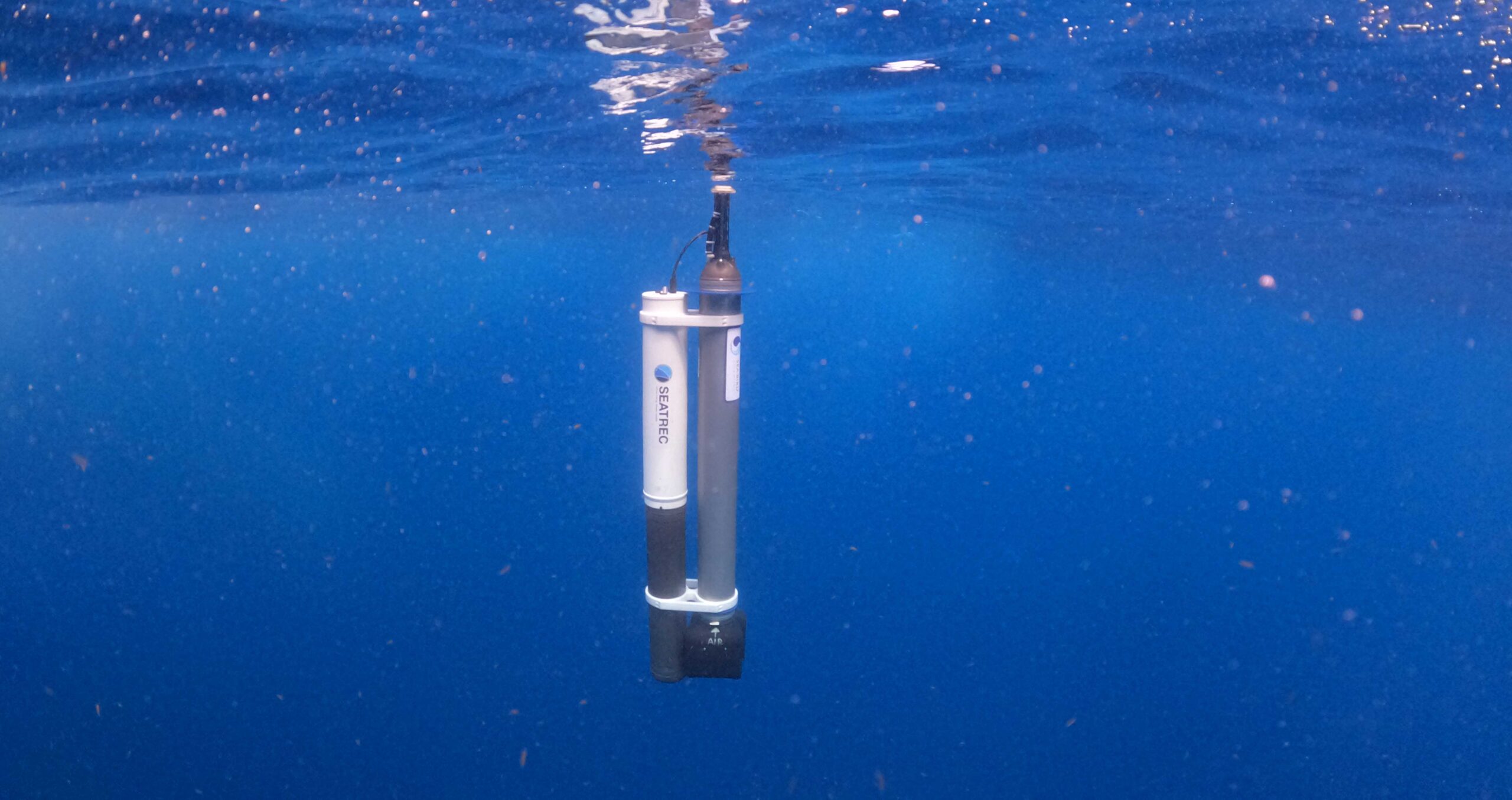
VISTA, Calif. (May 8, 2025) Seatrec, an underwater drone company, and Sea-Bird Scientific, a leading provider of oceanographic sensors and instrumentation, today announced an exclusive licensing agreement that Seatrec will manufacture Sea-Bird Scientific’s Navis floats for Argo, an international program to monitor the global ocean.
"Our mission is to monitor the ocean on a global scale,” explained Yi Chao, Ph.D., CEO and founder of Seatrec. “This agreement with Sea-Bird makes Seatrec a key provider of autonomous profiling floats to the international Argo program, especially with biogeochemical (BGC) sensors to monitor ocean ecosystems and health."
Under the terms of the agreement, Seatrec will receive exclusive rights to manufacture Sea-Bird Scientific’s Navis float product line. This strategic partnership is expected to combine the strong sensor expertise at Sea-Bird Scientific and the innovative float platform at Seatrec to provide continuous support to the international Argo Program and open new market opportunities that benefit both companies.
"This collaboration with Seatrec represents a significant step in our commitment to providing best-in-class oceanographic sensor solutions," said Jessica Pounds, President of Sea-Bird Scientific. “As we continue to focus on driving innovation in sensors and instrumentation for the entire oceanographic community, we look forward to our partnership with Seatrec to deliver industry-leading float technology to support the emerging BGC Argo Program.”
Seatrec, a dual-use deep tech startup, is the leader in the temperature-powered infiniTE™ float. Powered by a patented technology that harvests energy from ocean temperature differences, the infiniTE™ float can increase ocean data collection by up to 40 times (reducing the Argo float sampling interval of 10 days to every six hours) compared to traditional battery-powered floats, opening new possibilities for power-intensive sensors such as passive acoustic hydrophones for soundscape monitoring, addressing critical challenges in ocean science and defense applications.
Seatrec expects to take purchase orders of Navis floats in early 2026 and begin rolling out the fully integrated Navis floats with customer-requested sensors by late 2026.
About Seatrec
Seatrec designs and manufactures subsea drones that generate electricity from ocean temperature gradients. Our products empower oceanographic researchers to extend mission durations, optimize data collection, and reduce costs. By enabling the integration of advanced sensors previously limited by power constraints, such as hydrophones, we unlock new possibilities for ocean science. The core technology was developed at the NASA Jet Propulsion Laboratory. Seatrec was incorporated in 2016 as a spinoff from the California Institute of Technology. The company is headquartered in Vista, CA. Visit us at seatrec.com.
About Sea-Bird Scientific
Sea-Bird Scientific exists to help scientists know the world — and shape policy that changes it for the better. As one of the global leaders in oceanographic instrumentation, their customers work on the leading edge of ocean science. Their results break the frontiers of what we know about natural waters and contribute to our understanding of climate change, ecosystem health, and more. From optical sensors to observational systems, they possess an expansive portfolio of accurate instrumentation that ensures we are powering science-based decisions for a better ocean. The company is based in Bellevue, Washington. Visit us at www.seabird.com.
Media Contacts:
Marta Bulaich

Seatrec + Naval Postgraduate School Achieve Historic First by Collecting Acoustic Data in Real-Time with Underwater Drones
Seatrec + Naval Postgraduate School Achieve Historic First by Collecting Acoustic Data in Real-Time with Underwater Drones
Hydrophone-equipped underwater drones powered by the ocean’s temperature differences deployed off the coast of Hawaii to provide persistent monitoring of natural and man-made soundscape
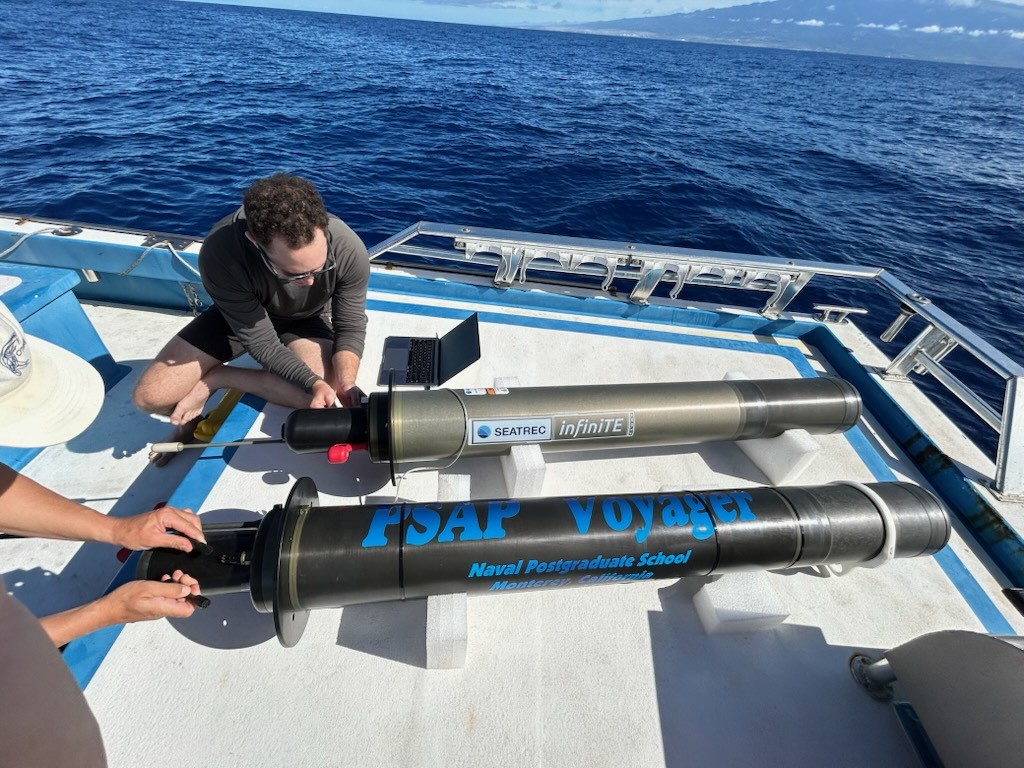
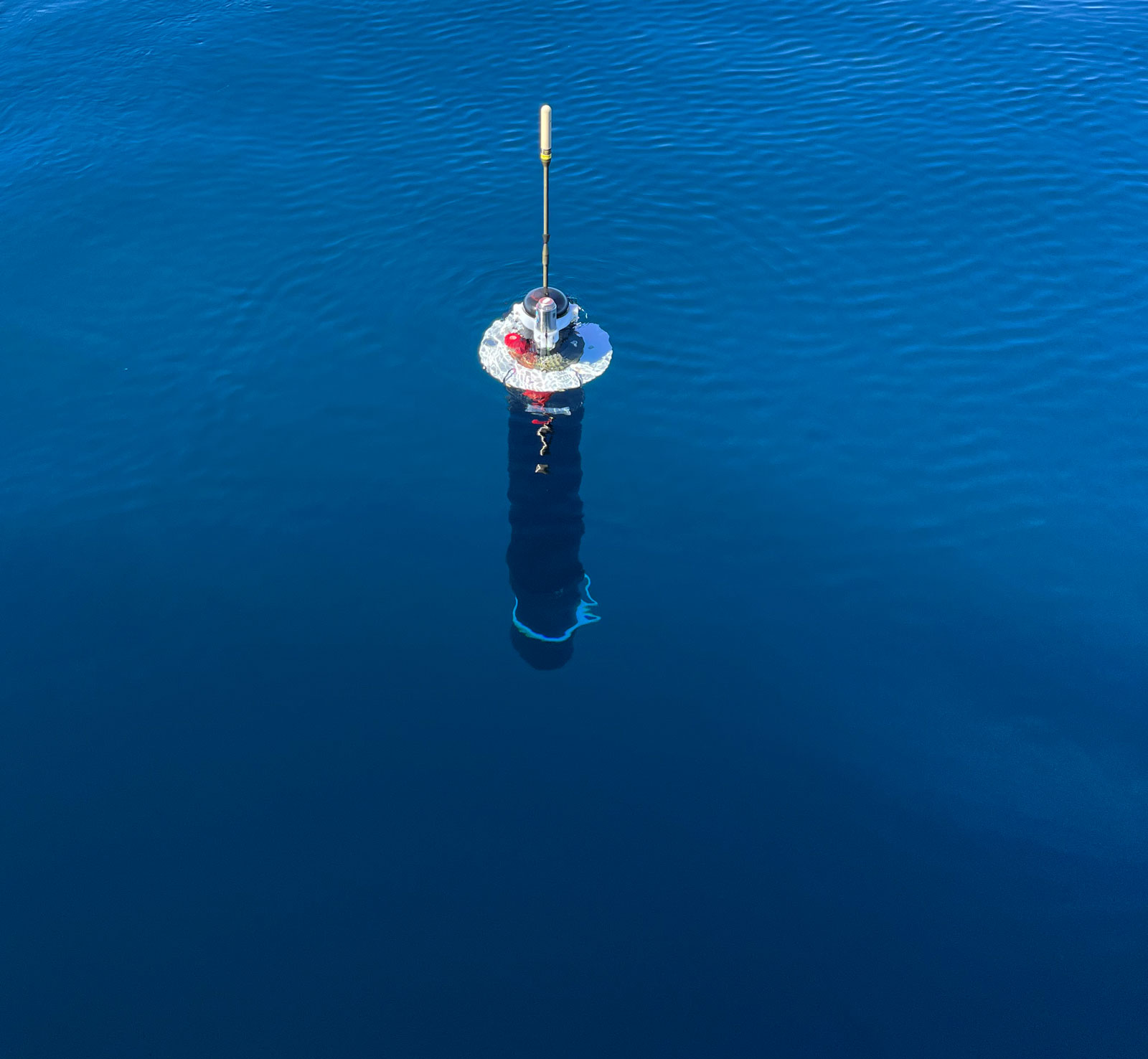
VISTA, Calif. – WEBWIRE – Wednesday, January 29, 2025. Seatrec and the Naval Postgraduate School (NPS) today announced the first-ever collection of acoustic data in real-time by underwater drones, also known as autonomous profiling floats, completely powered by the energy harvested from the temperature differences in the ocean. The data capture was made off the coast of Kona, Hawaii, by the Persistent Smart Acoustic Profiler (PSAP) Voyager. Seatrec designed and built the first PSAP Voyager with the unprecedented ability to create its own electricity to power the robust onboard computing capabilities needed to process the large data recorded by a passive acoustic hydrophone used to detect sounds underwater.
 The new PSAP Voyager’s ability to generate power leapfrogs previous generations of autonomous profiling floats that are limited by battery power and enables acoustic data to be collected in real-time anywhere in the world’s oceans nearly indefinitely.
“Sound is used to “see” underwater and is vital to understanding the ocean and monitoring the movement of natural and man-made objects,” explains Yi Chao, Ph.D., Seatrec’s CEO and Founder. “Previously hydrophones required power from expensive underwater cables from shore or ships but our PSAP Voyager untethers hydrophones and provides nearly unlimited persistent monitoring of the ocean in an extremely economical way.”
Traditional hydrophones are positioned at depth, often within the SOFAR (SOund Fixing And Ranging) channel, where the sound speed is minimal. Sound is trapped within this SOFAR channel by refraction and can travel over great distances. Hydrophones can be lowered into the SOFAR channel from a ship, which is expensive to operate – often starting at $50,000 per day. They can also be placed on the seafloor and powered by fiber optic cables connected to a shore station on land, but there are only a handful of places with this infrastructure.
Naval forces have an inherent operational reason to be quiet at sea, and the research into ocean noise provides additional insight for the Navy and Marine Corps in planning for future underway operations.
“Passive acoustic listening has many operational and research applications in the Navy,” says John Joseph, the principal investigator and faculty associate for research at the Naval Postgraduate School. “The autonomy and long endurance of Seatrec’s PSAP Voyager provides an unprecedented opportunity to collect acoustic data in real-time for very long periods in remote areas without the expense and logistical tail of ship support.”
Seatrec counts the US Navy’s Office of Naval Research among its early backers and in 2022 launched a precursor to the PSAP - Voyager project in partnership with the Naval Postgraduate School to integrate hydrophones into autonomous, ocean-going robots. The research and development effort was supported by the Consortium for Robotics and Unmanned Systems Education and Research (CRUSER) at NPS, which is funded by the Office of Naval Research to provide a collaborative environment for the advancement of educational and research endeavors across the Navy and Marine Corps.
In 2023, Seatrec was selected for the National Security Innovation Network (NSIN) Propel Hawai’i Accelerator. The program is a partnership between the NSIN and Decisive Point in collaboration with the U.S. Navy’s Pacific Fleet—the world’s largest fleet command encompassing 100 million square miles. Seatrec was selected from a competitive field of over 200 early-stage companies to join an elite cohort of enterprises developing cutting-edge technologies to help the modernization needs of the US Navy and the broader DoD community.
About Seatrec
Seatrec designs and manufactures energy harvesting systems that generate electricity from naturally occurring temperature differences in ocean waters. This renewable energy can be used to power deep water oceanographic research equipment such as floats, gliders, and autonomous underwater vehicles, resulting in the most scalable, cost-effective deep ocean data collection possible. The company is headquartered in Vista, CA. Visit us at www.seatrec.com and @seatrecinc.
About the Naval Postgraduate School
The Naval Postgraduate School is a defense-focused graduate university offering master’s and doctoral degrees in fields of study core to Naval-unique needs, the U.S. Armed Forces, DOD civilians and international partners. For information, visit: nps.edu.
Media Contact
Marta Bulaich
Marta.Bulaich@seatrec.com
+1 415.816.1665
Seatrec and The USM Team to Improve Hurricane Forecasting and Monitor Critically Endangered Rice’s Whale
VISTA, Calif. – WEBWIRE – Wednesday, May 17, 2023. Seatrec, a startup company unlocking clean, renewable power for ocean research and commerce, and the Roger F. Wicker Center for Ocean Enterprise at The University of Southern Mississippi (USM), today announce the signing of a memorandum of understanding (MOU) aimed at improving hurricane rapid-intensification forecasting and monitoring critically endangered Rice’s whales in the Gulf of Mexico.
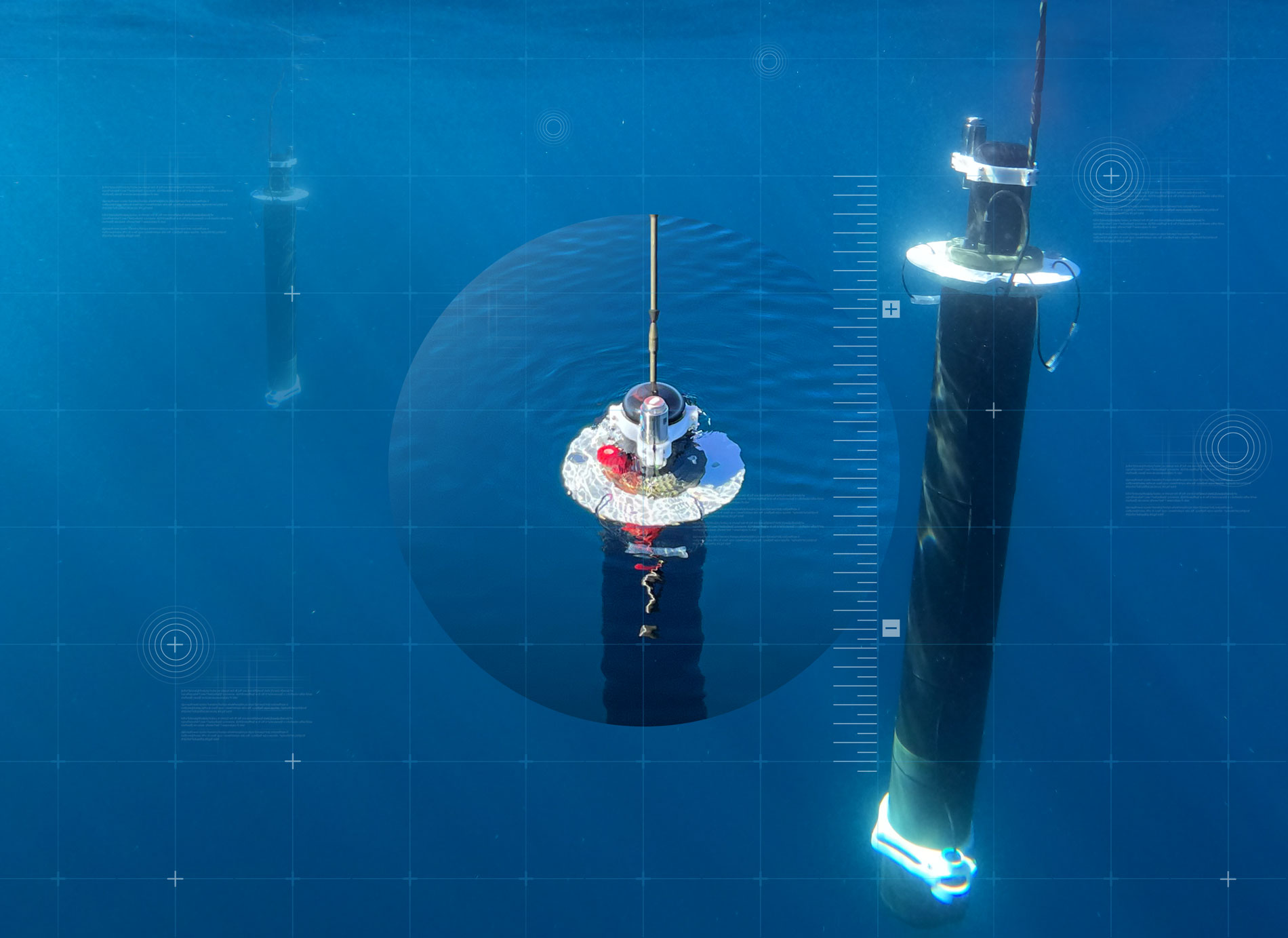
The MOU calls for the deployment of two types of Seatrec’s infiniTE™ floats each customized for different missions using the system’s first-of-its-kind modular design and clean, renewable power technology that harvests electricity from the ocean’s temperature differences.
One type of float will feature a suite of instruments to take measurements as frequently as three times per day to track water temperatures and other data that scientists believe contribute to the rapid intensification of hurricanes like Katrina, Irma, and Ian. The second type of float will operate with a passive acoustic hydrophone to monitor the endangered Rice’s whales with less than 100 remaining members of the species clustered in the Gulf’s northeastern waters.
“There is a critical need to better understand the Gulf of Mexico both in terms of its impact on humans in the form of extreme weather events and human impact on the marine life,” points out Yi Chao, Ph.D., the CEO and founder of Seatrec. “Having the flexibility to quickly and inexpensively deploy different mission-specific instrument suites on deep-diving, autonomous floats powered by a clean, renewable power source gives scientists like those at USM important tools to gather data not possible with previous technologies.”
Rice’s whales are members of the baleen whale family Balaenopteridae. With likely fewer than 100 individuals remaining, Rice’s whales are one of the most endangered whales in the world. Recovery of the species depends upon the protection of each remaining whale.
The MOU follows Seatrec’s completion of the six-month Gulf Blue Navigator program that is administered by USM and SeaAhead with partners, including Jackson State University. The program is designed to help scale blue technology startups.
“Power has long been a limiting factor that often restricts the types of instruments deployed in the ocean, how long they can last, and the amount of persistent data they can collect,” explains Dr. Kelly Lucas, USM’s Vice President for Research. “Seatrec’s ability to provide clean, renewable power to vertically integrated and modular instrument suites opens the door to a host of applications that will help us better understand and protect the ocean.”
Added Hailey Bathurst, Program Manager for the Gulf Blue Navigator, “Seatrec exemplifies what the Navigator program is meant to do: help blue tech startups find traction in the Gulf of Mexico, work with the core facilities at USM, and plug into a supportive ecosystem. This MOU and the others being finalized between USM and the inaugural Gulf Blue Navigator cohort members truly represents the potential of the program.”
The Roger F. Wicker Center for Ocean Enterprise serves a global hub for advancing Uncrewed Maritime Systems, ocean data science, maritime cyber research, and blue tech workforce training. The 62,500-square-foot center consists of multiple facilities bringing together federal, industry, and academic partners, creating a collaborative environment to accelerate the development and launch of new technology in the fast-growing ocean economy.
Entrepreneurs and startups developing solutions to global challenges utilize the center to capitalize on world-class ocean research capabilities and connect to university research scientists.
“The Gulf Blue Navigator program has already begun to make an economic impact to the Mississippi Gulf Coast,” said Dr. Jason McKenna, Director of Research, Development, Testing, Evaluation & Training at the Wicker Center. “This is the first of many follow-on initiatives between USM’s world-class research centers and the Navigator’s program’s first graduating cohorts and demonstrates the ability of our coastal research ecosystem to partner with and help grow blue technology in Mississippi.”
Seatrec’s pioneering energy harvesting system uses phase change materials to harness energy from temperature differences between the ocean’s various depths. These materials contract and expand creating pressure that’s captured and converted into electricity. The clean, virtually limitless power frees scientists to use sensors that typically require shore-supplied power or direct ship support via tethering. The infiniTE™ float platform’s “plug-and-play” modularity vertically integrates different sensors tailored to particular areas of study.
Hurricane Forecasting
Better understanding the rapid intensification of major storms and hurricanes is a particularly pressing goal as annual economic losses from such storms are estimated at $54B. Traditional floats (commonly known as Argo) typically only profile once every 10 days, which is insufficient to measure the intensification of storms that can surge in as little as 24 hours. Seatrec’s infiniTE™ floats are able to sample as frequently as three times per day providing 30x more data than the standard Argo floats.
Whale Monitoring
Studies show that noise from humans adversely affects a broad range of organisms including marine mammals. Hydrophones are needed to quantify the impact of these noises on marine mammals. Hydrophones mounted on Seatrec’s infiniTE™ floats provide an inexpensive, autonomous platform to gather soundscape data at varying depths for years at a time.
Seatrec will establish a long-term presence in the Gulf of Mexico to support the MOU missions with a satellite office provided by the Gulf Blue Navigator program while its headquarters will remain in Vista, California.
About Seatrec
Seatrec designs and manufactures energy harvesting systems that generate electricity from naturally occurring temperature differences in ocean waters. This renewable energy can be used to power deep water oceanographic research equipment such as floats, gliders, and Autonomous Underwater Vehicles (AUVs), resulting in the most scalable, cost-effective deep ocean data collection possible. Incorporated in 2016 by CEO, Dr. Yi Chao, Seatrec’s technology originated at NASA Jet Propulsion Laboratory, California Institute of Technology, to provide clean power for remote off-grid locations. The company is headquartered in Vista, CA. Visit us at www.seatrec.com and @seatrecinc.
About The University of Southern Mississippi
The University of Southern Mississippi (USM) is a comprehensive public research institution delivering transformative programs on campuses in Hattiesburg and Long Beach, at teaching and research sites across the Mississippi Gulf Coast, as well as online. Founded in 1910, USM is one of only 146 universities in the nation to earn the Carnegie Classification of Institutions of Higher Education’s "R1: Doctoral Universities – Very high research activity” designation and its robust research enterprise includes experts in ocean science and engineering, polymer science and engineering, and large event venue safety and security, among others. USM is also one of only 36 institutions in the nation accredited in theatre, art and design, dance and music. As an economic driver, USM generates an annual economic impact of more than $663 million across the state. USM welcomes a diverse student body of more than 13,500, representing more than 70 countries, all 50 states, and every county in Mississippi. USM students have collected four Truman Scholarships and 37 National Science Foundation Graduate Research Fellowships, while also leading Mississippi with 27 Goldwater Scholarships, an honor that recognizes the next generation of great research scientists. Home to the Golden Eagles, USM competes in 17 Division I sports sponsored by the National Collegiate Athletic Association (NCAA). For more information, visit usm.edu.
Contact Information:
Sean Yokomizo
Media Relations/Communications
Seatrec, Inc.
925.878.1200
sean.yokomizo@seatrec.com
Here is the official press release.
Seatrec Wins Slot at NSIN Propel Hawai’i Accelerator
Seatrec Wins Slot at NSIN Propel Hawai’i Accelerator
Competitive program focused on fast-tracking next-generation applications for DoD modernization selects Seatrec to speed deployment of its infiniTE float that creates electricity from the ocean’s temperature differences
Seatrec, a renewable energy company that harvests energy from temperature differences in the environment, today announces its selection to the National Security Innovation Network (NSIN) Propel Hawai’i Accelerator. The program is a partnership between the NSIN and Decisive Point in collaboration with the U.S. Navy’s Pacific Fleet—the world’s largest fleet command encompassing 100 million square miles. The goal is to enable the development of next-generation applications of emerging dual-use technology for government and defense.
Seatrec was selected from a competitive field of over 200 early-stage companies and will join an elite cohort of 12 enterprises developing cutting-edge technologies to help the modernization needs of the US Navy and the broader DoD community. The program will help speed the development of Seatrec’s recently launched InfiniTE float - a first-of-its-kind modular platform featuring the ability to mix and match an expanded array of power-hungry sensors - for DoD-related applications.
“Providing clean, renewable energy to applications in the far-flung reaches of the Pacific remains a critical challenge for the research, government, and defense communities,” points out Yi Chao, Ph.D., the CEO and Founder of Seatrec. “Participating in the NSIN Propel Hawai’i Accelerator is an exciting opportunity to engage directly with end-users to better understand their challenges and quickly develop real-world solutions.”
Seatrec’s pioneering energy harvesting system harnesses temperature differences between the ocean’s various depths to drive the phase change of specific materials. These materials contract and expand creating pressure that’s captured and converted into electricity. The clean, virtually limitless power expands the reach and endurance of applications that often require shore-supplied power or direct ship support via tethering.
Participation in the three-month accelerator program provides cohort companies with an opportunity to build a foundation for doing business with the DoD, and work closely with the accelerator team to design pilots around the national security applications of their technology. Selected companies will also gain access to a robust network of private investors and commercial partners.
Selection to the NSIN Propel Hawai’i Accelerator follows on the heels of a notable year of partnerships for Seatrec. The Naval Postgraduate School recently partnered with Seatrec to study the ocean soundscape and chart the impact of noise pollution on Blue Whales by using a hydrophone-equipped InfiniTE™ float. Also, Seatrec and The Nippon Foundation-GEBCO Seabed 2030 Project signed an MOU to launch Project NEMO (Novel Echosounder to Map the Ocean) to map the gaps of the global seafloor in remote areas where it is too costly for ships to access.
About Seatrec
Seatrec designs and manufactures energy harvesting systems that generate electricity from naturally occurring temperature differences in ocean waters. This renewable energy can be used to power deep water oceanographic research equipment such as floats, gliders, and Autonomous Underwater Vehicles (AUVs), resulting in the most scalable, cost-effective deep ocean data collection possible. Incorporated in 2016 by CEO, Dr. Yi Chao, Seatrec’s technology originated at NASA Jet Propulsion Laboratory, California Institute of Technology, to provide clean power for remote off-grid locations. The company is headquartered in Vista, CA. Visit us at www.seatrec.com and @seatrecinc.
Media Contact
Sean Yokomizo
Seatrec, Inc.
sean.yokomizo@seatrec.com
+1 925.878.1200
###
( Press Release Image: https://photos.webwire.com/prmedia/70663/301751/301751-1.png )
Seatrec Partners with Naval Postgraduate School to Study Ocean Soundscape
Seatrec and Naval Postgraduate School Launch a New Project to Study Ocean Soundscape and Chart Impact of Noise Pollution on Ocean Environment
Hydrophone-equipped autonomous float powered by the ocean’s temperature differences will listen for clues to help minimize the impact of human noise
VISTA, Calif., November 14, 2022 - Seatrec and the Naval Postgraduate School (NPS) today launched a new project to study the impact of human-made noise on the ocean soundscape and marine life. An Ocean Sonics hydrophone installed on a Seatrec autonomous sustainably powered float system is the first of its kind and enables acoustic data to be collected anywhere in the world’s oceans nearly indefinitely.
“When it comes to understanding the ocean, sound is everything, but persistent listening is extremely difficult and expensive,” explains Yi Chao, Ph.D., Seatrec’s CEO and Founder. “The Naval Postgraduate School is a great partner, and we are excited to help them research acoustic impacts more effectively and affordably. Providing the necessary scientific instruments that are powered by the ocean’s own temperature differences opens the door to persistent monitoring of our oceans in an economical manner.”
Studies show that noise from humans adversely affects a broad range of organisms including whales, fish, jellyfish, squid and octopuses. High noise levels even contribute to deformities among scallop larvae. However, the true extent of impacts from noise pollution is not well understood.
The emergence of the COVID-19 pandemic in 2020 brought with it unprecedented silence as human activities related to commerce and recreation all but ceased. That reduction in human activity gave scientists a new baseline for ocean noise and highlighted the impact that human noise pollution has on life in the ocean.
“Sound is the way the Navy and many marine animals ‘see’ through the ocean,” says John Joseph, the principal investigator and faculty associate for research at the Naval Postgraduate School. “It’s critical that we understand the reach and scale of the collective human impact on the ocean soundscape to inform strategies for protecting marine species and improving naval operations for the defense of our ships and Sailors at sea.”
The COVID-related silence also offered a powerful argument for broadening the deployment of hydrophones to monitor ocean noise and to include hydrophones on autonomous platforms to provide real-time acoustic data for the dynamic management of vulnerable areas. Underwater gliders have been used in this role and are also used by the Navy for passive surveillance, but they are powered by batteries with a limited lifetime and are usually confined to near the coast.
Traditional hydrophones are positioned at depths around 1,000 meters (3,300 feet), within the SOFAR (SOund Fixing And Ranging) channel, where the sound speed is minimum. Sound is trapped within this SOFAR channel by refraction and can travel slowly over great distances. Hydrophones can be lowered into the SOFAR channel from a ship, which is expensive to operate – often starting at $50,000 per day. They can also be placed on the seafloor and powered by fiber optic cables connected to a shore station on land, but there are only a handful of places with this infrastructure.
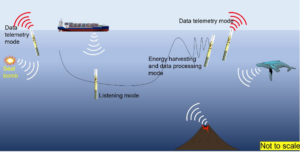 “Our hydrophone float powered by Seatrec’s patented energy harvesting system can be deployed into the SOFAR channel anywhere over the world’s ocean,” said Yi. “It offers nearly unlimited persistent surveillance of the ocean without the need for ship support as the float battery is recharged by the temperature differences in the ocean.”
Naval forces have an inherent operational reason to be quiet at sea, and the research into ocean noise may provide additional insight for the Navy and Marine Corps in planning for future underway operations.
“Passive acoustic listening has many operational and research applications in the Navy, and our students at NPS conduct applied research to meet naval-unique needs for at-sea operations that require measurements of ambient noise, understanding soundscapes and monitoring of marine mammals,” added Joseph. “Because the Seatrec platform will be long-lived, and is remotely operated, it can provide extensive time series of information to oceanographers and naval researchers to measure acoustics and how they are changing from human impact including climate change.”
This research effort is supported by the Consortium for Robotics and Unmanned Systems Education and Research (CRUSER) at NPS, which is funded by the Office of Naval Research to provide a collaborative environment for the advancement of educational and research endeavors across the Navy and Marine Corps.
This project comes on the heels of Seatrec’s recent launch of Project NEMO – an initiative in partnership with The Nippon Foundation-GEBCO Seabed 2030 Project to install an active acoustic echosounder to Seatrec’s thermally powered float.
About Seatrec
Seatrec designs and manufactures energy harvesting systems that generate electricity from naturally occurring temperature differences in ocean waters. This renewable energy can be used to power deep water oceanographic research equipment such as autonomous profiling floats, resulting in the most scalable, cost-effective deep ocean data collection possible. The company is headquartered in Vista, CA. Visit us at www.seatrec.com and @seatrecinc.
About the Naval Postgraduate School
The Naval Postgraduate School is a defense-focused graduate university offering master’s and doctoral degrees in fields of study core to Naval-unique needs, the U.S. Armed Forces, DOD civilians and international partners. For information, visit: nps.edu.
Media Contact
Sean Yokomizo
sean.yokomizo@seatrec.com
+1 925.878.1200
Click here to read the full press release.