
Oceanographic Team Wins NOAA Funding for Underwater Soundscape Study
Oceanographic Team Wins NOAA Funding for the Autonomous Profiling Float Powered by Ocean’s Temperature Differences to Study Underwater Soundscape
World-class experts from Seatrec, Integral Consulting, Naval Postgraduate School, MBARI, and Scripps/UC San Diego to build a long-endurance float for gathering directional acoustic data in the deep ocean powered by clean, renewable energy.
VISTA, Calif. – WEBWIRE – Wednesday, September 13, 2023
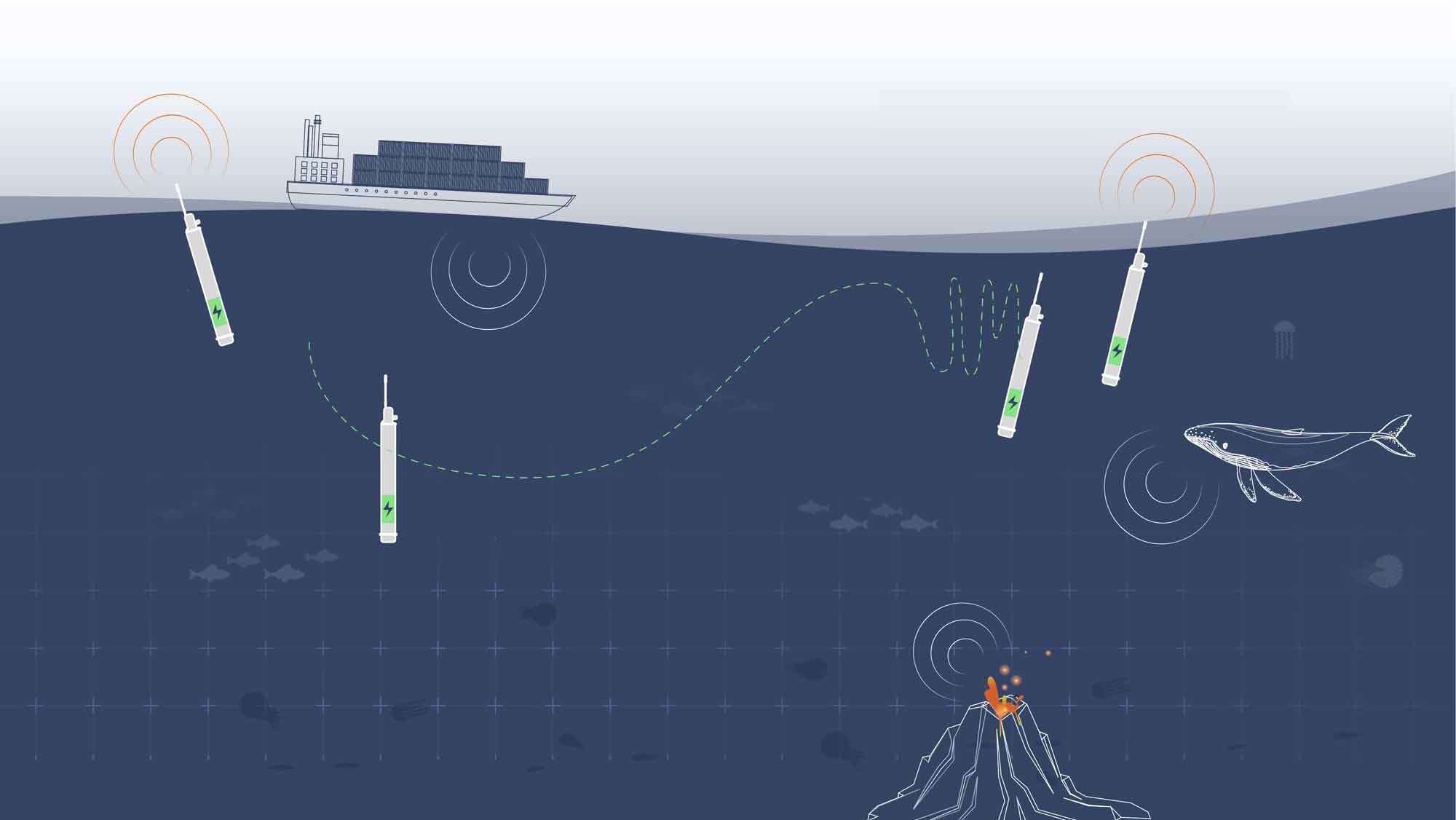
Seatrec, Integral Consulting, Monterey Bay Aquarium Research Institute (MBARI), Naval Postgraduate School, and Scripps Institution of Oceanography at the University of California San Diego today announce funding from the National Oceanic & Atmospheric Administration’s (NOAA) Ocean Exploration. The two-year funding award supports the integration of a commercial, off-the-shelf directional hydrophone manufactured by GeoSpectrum Technologies Inc. onto Seatrec’s newly launched infiniTE™ float to study the ocean’s soundscape.
“Sound is a critical component to understanding the ocean, but the power demands of acoustic sensors make it impossible to listen for extended periods, not to mention the additional power required to process the acoustic data in order to reduce the data size for satellite communication,” points out Dr. Yi Chao, the Founder and CEO of Seatrec. “Seatrec’s newly launched infiniTE™ float, capable of generating electricity from temperature differences in the ocean, opens up vast new areas of knowledge to help us better understand and protect the ocean.”
Studies show that noise from humans adversely affects a broad range of organisms, from shellfish larvae to large marine mammals. Acoustic sensors, or hydrophones, are needed to quantify the impact of these noises; however, current technology limits their use to short deployments from expensive-to-operate ships or to areas where power is supplied via a cable from shore.
“A robust understanding of deep-sea acoustics is invaluable across a range of scientific, environmental, economic, and national security needs,” explains Dr. Kaus Raghukumar, an acoustic oceanographer at Integral Consulting. “The integration of a vector sensor into Seatrec’s profiler will leverage Integral’s NoiseSpotter® technology and expertise. A directional hydrophone allows for a better understanding of the location of sound sources, such as marine mammals.”
Seatrec’s infiniTE™ float provides a new platform for deep-water acoustic observations over unprecedented durations in remote regions.
“As part of NOAA Ocean Exploration’s mission to lead, coordinate, and fund expeditions around the world, we are uniquely situated to promote partners in the maritime community - like this creative team - who can advance ocean exploration technologies and acquire critical data and information about various marine environments,” said Jeremy Weirich, Director of NOAA Ocean Exploration. “Supporting this collaboration to develop and test an innovative sensor on a new underwater platform is important for filling data gaps about our ocean and enabling scientific discovery.”
About Seatrec
Seatrec designs and manufactures oceanic robots and energy harvesting platforms that generate electricity from naturally occurring temperature differences in ocean waters. This renewable energy can power oceanographic research equipment such as floats, gliders, and Autonomous Underwater Vehicles (AUVs), resulting in the most scalable, cost-effective deep ocean data collection possible. Seatrec originated at NASA’s Jet Propulsion Laboratory and the California Institute of Technology and was incorporated by CEO Dr. Yi Chao in 2016. Learn more about us at www.seatrec.com and follow us on @seatrecinc.
About Integral Consulting
Integral Consulting Inc. is a national science and engineering firm delivering technical solutions to complex environmental, health, economic, and natural resource challenges faced by our clients. We employ an unrelenting commitment to technical excellence, innovation, and collaboration to help our clients minimize yesterday’s impacts, comply with today’s demands, and plan for tomorrow’s needs. For information, visit www.integral-corp.com.
About NOAA Exploration Research
NOAA Ocean Exploration is dedicated to exploring the unknown ocean, unlocking its potential through scientific discovery, technological advancements, partnerships, and data delivery. We are leading national efforts to fill gaps in our basic understanding of the marine environment, providing critical ocean data, information, and awareness needed to strengthen the economy, health, and security of the United States and the world.
Media Contact
Sean Yokomizo
Seatrec, Inc.
sean.yokomizo@seatrec.com
+1 925.878.1200
###

Seatrec Partners with Naval Postgraduate School to Study Ocean Soundscape
Seatrec and Naval Postgraduate School Launch a New Project to Study Ocean Soundscape and Chart Impact of Noise Pollution on Ocean Environment
Hydrophone-equipped autonomous float powered by the ocean’s temperature differences will listen for clues to help minimize the impact of human noise
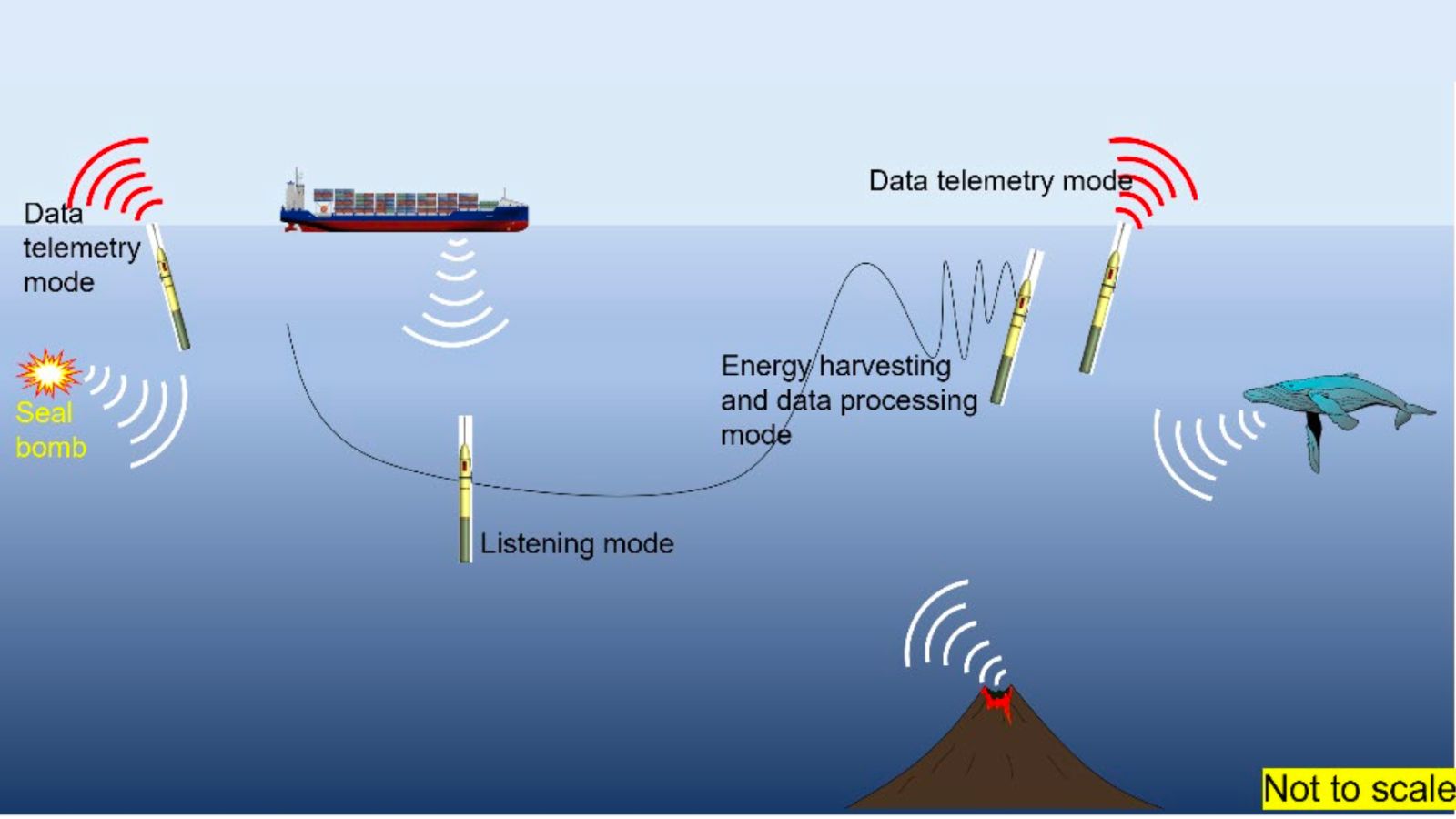
VISTA, Calif., November 14, 2022 - Seatrec and the Naval Postgraduate School (NPS) today launched a new project to study the impact of human-made noise on the ocean soundscape and marine life. An Ocean Sonics hydrophone installed on a Seatrec autonomous sustainably powered float system is the first of its kind and enables acoustic data to be collected anywhere in the world’s oceans nearly indefinitely.
“When it comes to understanding the ocean, sound is everything, but persistent listening is extremely difficult and expensive,” explains Yi Chao, Ph.D., Seatrec’s CEO and Founder. “The Naval Postgraduate School is a great partner, and we are excited to help them research acoustic impacts more effectively and affordably. Providing the necessary scientific instruments that are powered by the ocean’s own temperature differences opens the door to persistent monitoring of our oceans in an economical manner.”
Studies show that noise from humans adversely affects a broad range of organisms including whales, fish, jellyfish, squid and octopuses. High noise levels even contribute to deformities among scallop larvae. However, the true extent of impacts from noise pollution is not well understood.
The emergence of the COVID-19 pandemic in 2020 brought with it unprecedented silence as human activities related to commerce and recreation all but ceased. That reduction in human activity gave scientists a new baseline for ocean noise and highlighted the impact that human noise pollution has on life in the ocean.
“Sound is the way the Navy and many marine animals ‘see’ through the ocean,” says John Joseph, the principal investigator and faculty associate for research at the Naval Postgraduate School. “It’s critical that we understand the reach and scale of the collective human impact on the ocean soundscape to inform strategies for protecting marine species and improving naval operations for the defense of our ships and Sailors at sea.”
The COVID-related silence also offered a powerful argument for broadening the deployment of hydrophones to monitor ocean noise and to include hydrophones on autonomous platforms to provide real-time acoustic data for the dynamic management of vulnerable areas. Underwater gliders have been used in this role and are also used by the Navy for passive surveillance, but they are powered by batteries with a limited lifetime and are usually confined to near the coast.
Traditional hydrophones are positioned at depths around 1,000 meters (3,300 feet), within the SOFAR (SOund Fixing And Ranging) channel, where the sound speed is minimum. Sound is trapped within this SOFAR channel by refraction and can travel slowly over great distances. Hydrophones can be lowered into the SOFAR channel from a ship, which is expensive to operate – often starting at $50,000 per day. They can also be placed on the seafloor and powered by fiber optic cables connected to a shore station on land, but there are only a handful of places with this infrastructure.
 “Our hydrophone float powered by Seatrec’s patented energy harvesting system can be deployed into the SOFAR channel anywhere over the world’s ocean,” said Yi. “It offers nearly unlimited persistent surveillance of the ocean without the need for ship support as the float battery is recharged by the temperature differences in the ocean.”
Naval forces have an inherent operational reason to be quiet at sea, and the research into ocean noise may provide additional insight for the Navy and Marine Corps in planning for future underway operations.
“Passive acoustic listening has many operational and research applications in the Navy, and our students at NPS conduct applied research to meet naval-unique needs for at-sea operations that require measurements of ambient noise, understanding soundscapes and monitoring of marine mammals,” added Joseph. “Because the Seatrec platform will be long-lived, and is remotely operated, it can provide extensive time series of information to oceanographers and naval researchers to measure acoustics and how they are changing from human impact including climate change.”
This research effort is supported by the Consortium for Robotics and Unmanned Systems Education and Research (CRUSER) at NPS, which is funded by the Office of Naval Research to provide a collaborative environment for the advancement of educational and research endeavors across the Navy and Marine Corps.
This project comes on the heels of Seatrec’s recent launch of Project NEMO – an initiative in partnership with The Nippon Foundation-GEBCO Seabed 2030 Project to install an active acoustic echosounder to Seatrec’s thermally powered float.
About Seatrec
Seatrec designs and manufactures energy harvesting systems that generate electricity from naturally occurring temperature differences in ocean waters. This renewable energy can be used to power deep water oceanographic research equipment such as autonomous profiling floats, resulting in the most scalable, cost-effective deep ocean data collection possible. The company is headquartered in Vista, CA. Visit us at www.seatrec.com and @seatrecinc.
About the Naval Postgraduate School
The Naval Postgraduate School is a defense-focused graduate university offering master’s and doctoral degrees in fields of study core to Naval-unique needs, the U.S. Armed Forces, DOD civilians and international partners. For information, visit: nps.edu.
Media Contact
Sean Yokomizo
sean.yokomizo@seatrec.com
+1 925.878.1200
Click here to read the full press release.