
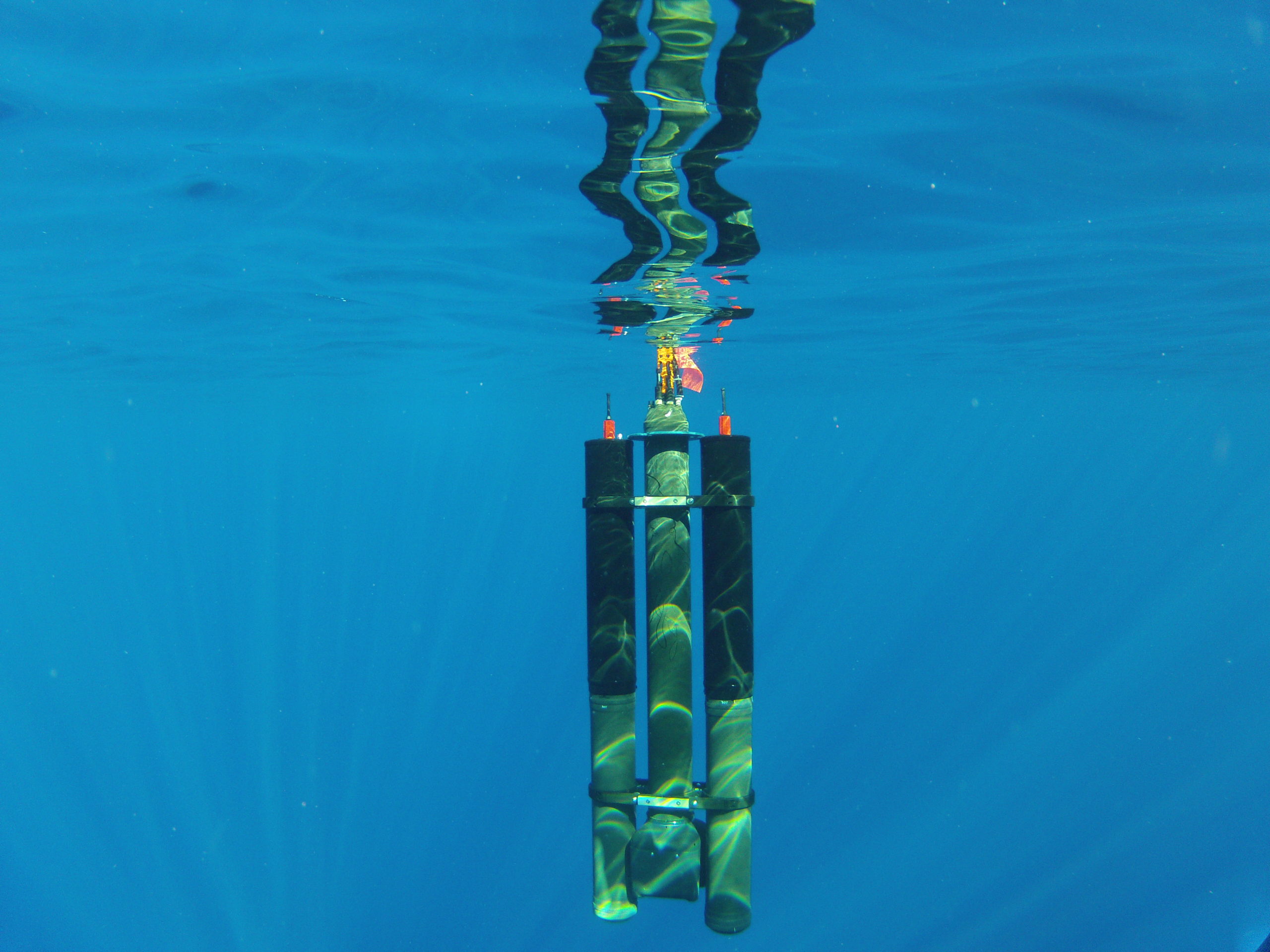

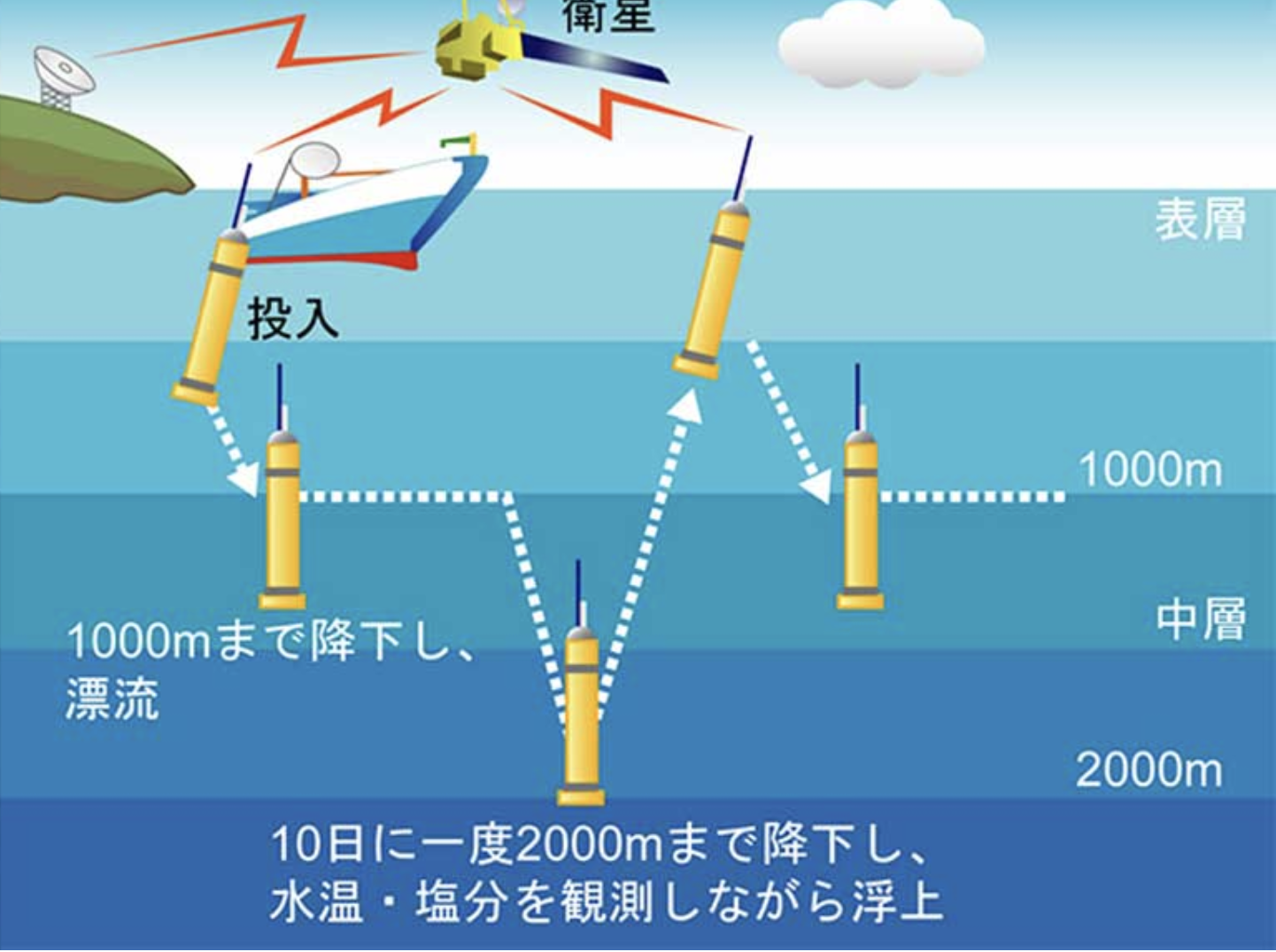
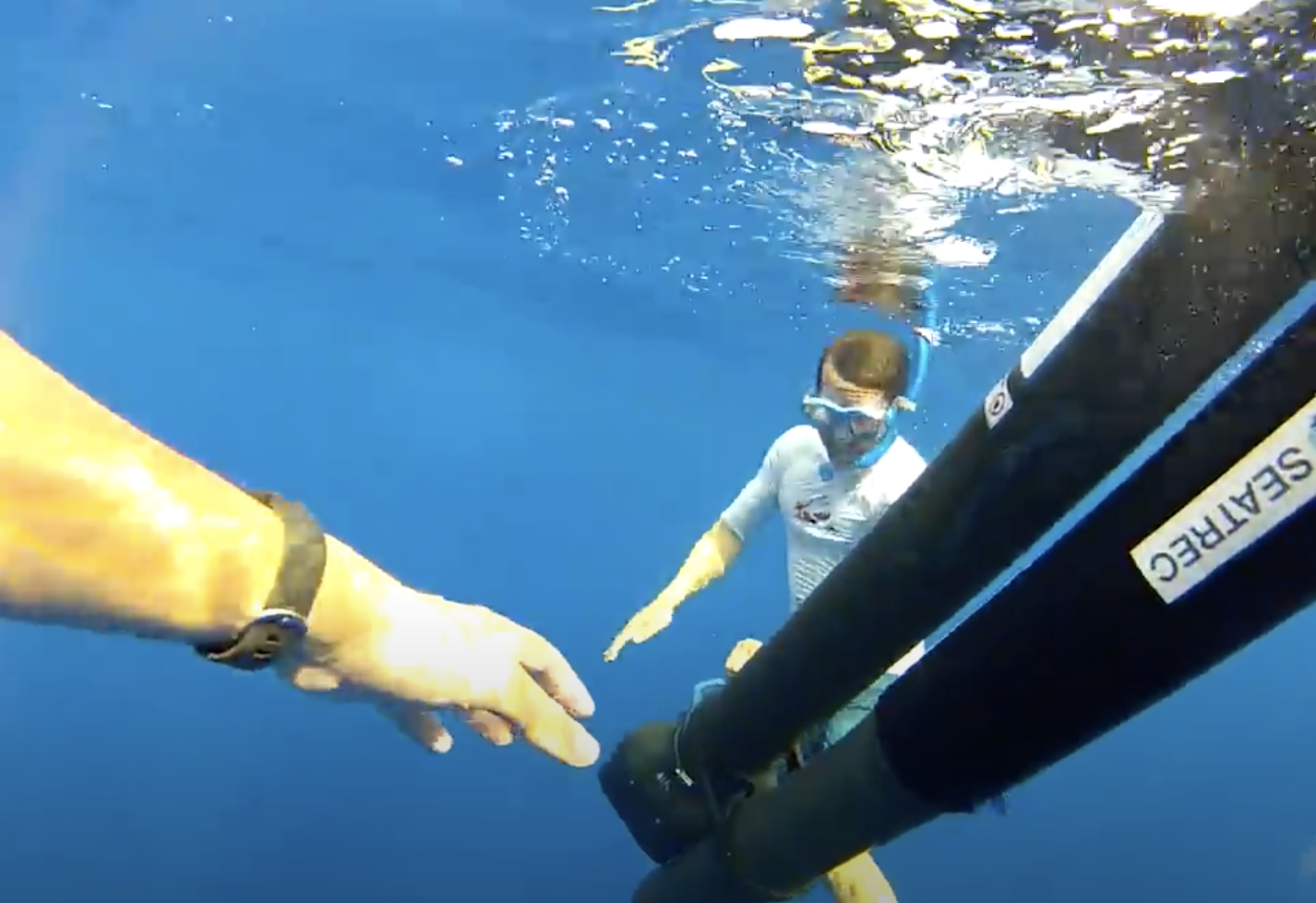

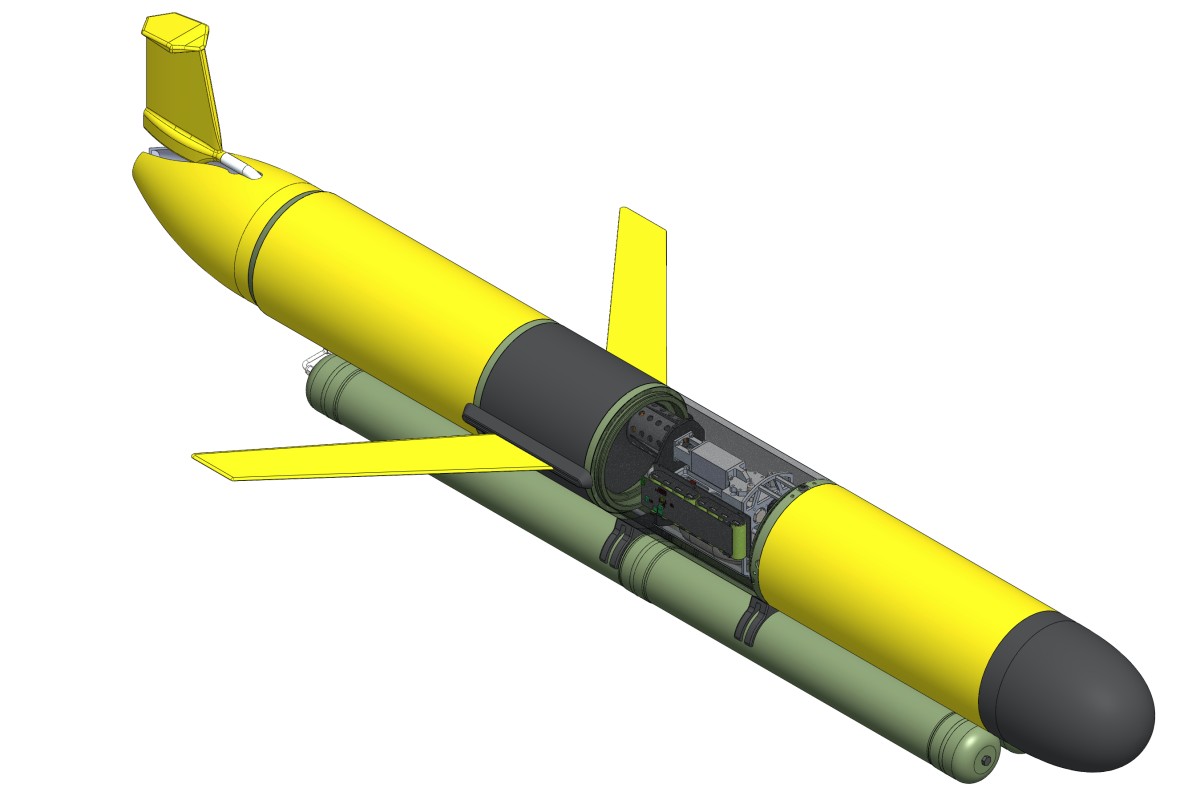
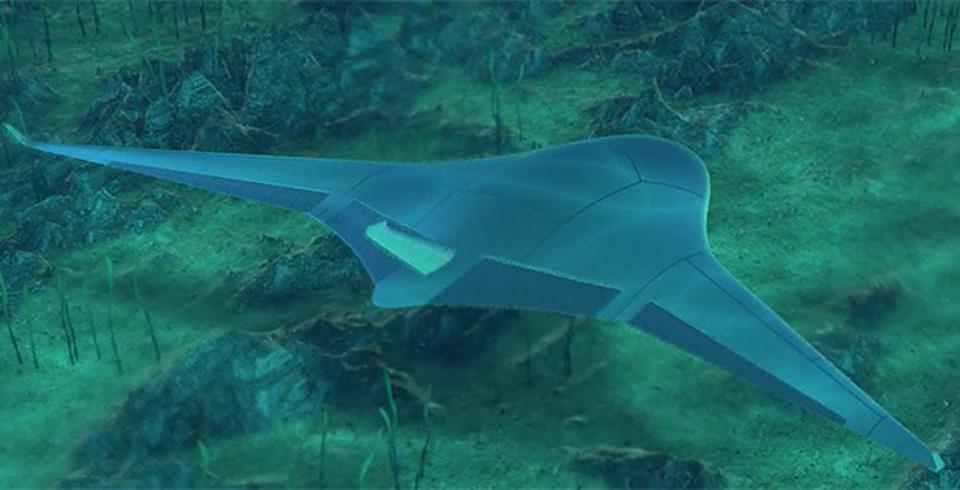
New Atlas: Seatrec Tech Uses Changes in Temperature to Power Underwater Gliders
https://newatlas.com/marine/seatrec-temperature-gradient-underwater-gliders/


Forbes Tech Council: Hurricanes Blow, But Our Forecasting Sucks
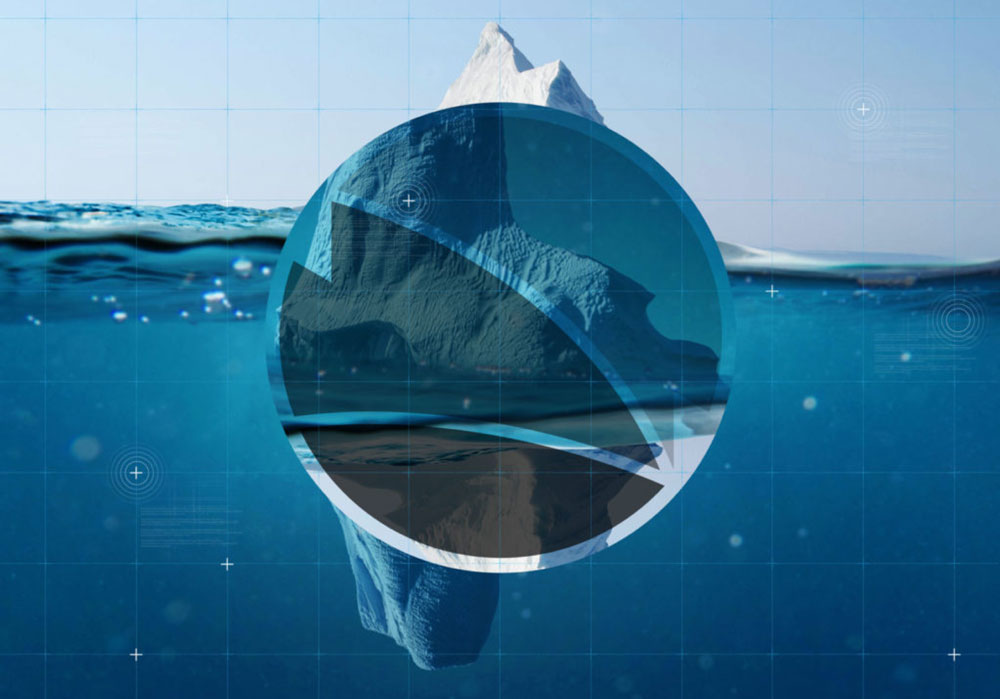
Our Founder and CEO, Yi Chao, is a member of the Forbes Technology Council. In his first contributed article, Yi addresses the challenges with hurricane forecasting.
2020 was an epic year for hurricanes with the most named storms on record. The rapid intensification of hurricanes, defined as a meteorological situation where a tropical cyclone intensifies dramatically in a short period of time, poses significant perils to coastal communities. Although hurricane forecasting has improved over the years, data problems abound with siloed data and a dearth of data below the ocean’s surface.
Read the article here.
Seatrec Raises $2M Seed Round to Commercialize Technology that Harvests Clean, Renewable Energy from the Ocean
Today, we're very excited to announce a $2M seed round to help us commercialize our energy harvesting technology that generates electricity from the temperature differences in the ocean. We are expanding our initial market of oceanographic research and defense to other Blue Economy areas such as aquaculture and maritime transportation.
Our funding round was led by previous investor Dr. Norge Larson with participation from Sunstone Management, Frontier Angels, SeaAhead’s Blue Angels, and returning investors from Pasadena Angels. Dr. Larson will bring his remarkable background in blue tech and business experience to Seatrec’s board as a director. Sunstone’s John Shen will join the board as an observer.
“We’ve proven the value of our clean, renewable energy harvesting technology with pilot sales to our beachhead market of research and defense,” said Dr. Yi Chao, founder and CEO of Seatrec. “Now, we’re ready to scale our commercial sales and expand the reach of our technology to power key applications in the Blue Economy like aquaculture and maritime transportation.”
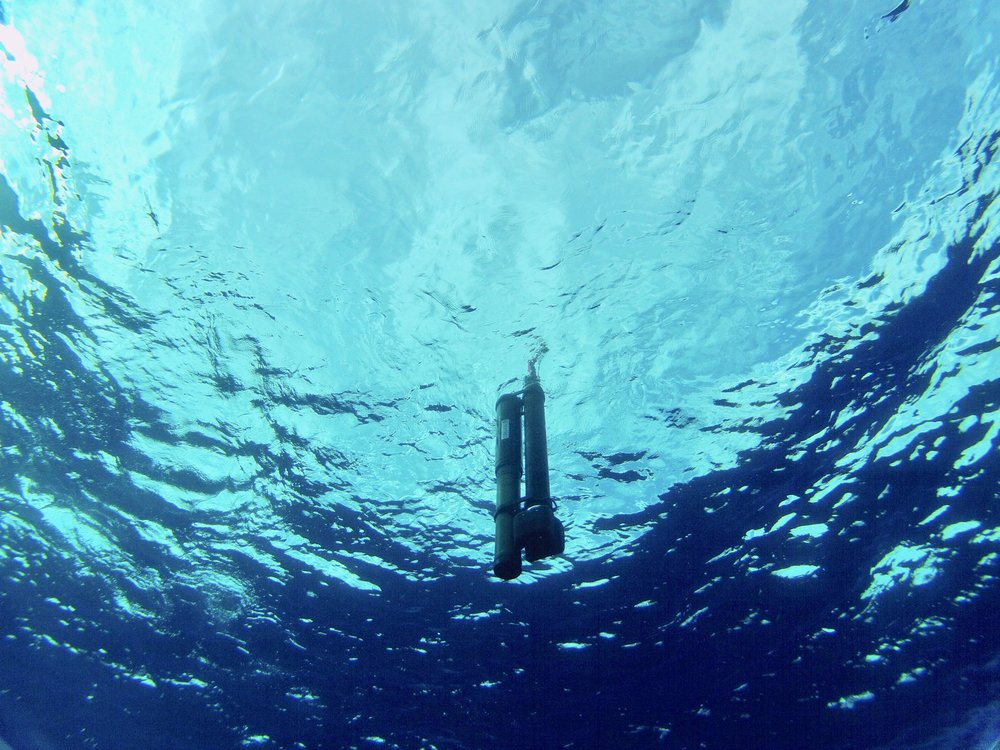
Seatrec is the first company to produce a portable power system that harvests energy from naturally occurring temperature differentials. Its patented thermal energy harvesting technology provides infinite power and is currently used to run oceanographic equipment, including autonomous profiling floats and underwater gliders. With Seatrec’s technology, researchers can extend the life of the equipment, power more sensors, and enable faster data collection at reduced cost in an environmentally friendly manner.
Seatrec’s foothold in scientific research opens the door to collecting vast amounts of undersea data that can help increase the accuracy of forecasting hurricanes that are responsible for an estimated $54B in economic losses per year, as well as optimizing shipping routes to save millions of tons of fuel.
“Seatrec’s technology will power underwater robots to monitor the condition and health of the ocean,” explained Dr. Norge Larson, an oceanographer and entrepreneur. “This financing round helps Seatrec mature its products for several ocean applications. We are pleased to support this important work along with other key investors.”
The Blue Economy - sustainable, ocean-centric commerce - is expected to generate more than $3T in global economic impact and support more than 40M jobs around the world, according to the Organization for Economic Co-operation and Development (OECD). Aquaculture alone is projected to grow into a $274B per year market by 2025.
“Sunstone has a long history of identifying and investing in industry disruptors and cutting edge technology,” stated John Shen, founding partner of Sunstone Management and Seatrec's newest board member. “This innovative, sustainable technology is poised to rapidly revolutionize the Blue Economy with our enthusiastic support.”
Seatrec’s funding news comes on the heels of two recent $10,000 prizes under the Powering the Blue Economy: Ocean Observing Prize administered by the U.S. Department of Energy and NOAA. The company shared one of the prizes with Northrop Grumman for a joint Mission Unlimited UUV Station concept.
About Seatrec
Seatrec designs and manufactures energy harvesting systems that generate electricity from naturally occurring temperature differences in ocean waters. This renewable energy can be used to power deep water oceanographic research equipment such as floats, gliders and Autonomous Underwater Vehicles (AUVs), resulting in the most scalable, cost-effective deep ocean data collection possible. Incorporated in 2016 by CEO, Dr. Yi Chao, Seatrec’s technology originated at NASA Jet Propulsion Laboratory, California Institute of Technology, to provide clean power for remote off-grid locations. The company is headquartered in Monrovia, CA. Visit us at www.seatrec.com and @seatrecinc.
About Dr. Norge Larson
Dr. Norge Larson is a strategic advisor and previous investor to Seatrec. Dr. Larson was president of Sea-Bird Electronics until its acquisition by Danaher, one of the first successful exits for ocean tech companies. Larson joined Sea-Bird after obtaining his doctorate in oceanography from the University of Washington and helped establish the Sea-Bird Scientific as the gold standard for oceanographic sensors through the acquisition of Oregon ocean tech company Wet Labs and Canada’s Satlantic.
About Sunstone Management
Sunstone Management, with its subsidiary Sunstone Venture Capital Fund, is a diversified private capital management and investment firm offering comprehensive wealth management solutions to high net worth clients worldwide. Focusing on investments in U.S. based small businesses and lower-middle markets, its offerings are carefully structured to meet targeted investor goals ranging from short term senior debt products to longer-term, equity, growth capital, and venture capital investment strategies. For more information visit: sunstoneinvestment.com.
Here is the official press release.